Crown thinning in Sandwich & East Kent
Selective removal of live branches to reduce canopy density. Wind passes through instead of loading the tree, important on the marsh-edge where south-westerlies come off the Wantsum flats. More light reaches the garden below, without changing the tree's silhouette.
Less canopy, same shape.
Thinning takes small live branches out from throughout the canopy, never from just the outside. Done right, someone looking up from the pavement can't tell we've been. But wind passes through instead of pushing sideways on a solid sail; more light hits the lawn and the shrubs underneath; and the tree's weight is redistributed away from the extremities. That last one matters most on species that get heavy quickly.
The ten-percent rule
- Maximum 10–15% of the live canopy in a single visit
- Cuts spread across the canopy, not concentrated on one side
- Never from the outside only, that's called lion-tailing, and it's wrong
- Small-diameter cuts (below 40mm) where possible so wounds seal fast
- Repeat every 3–5 years if the tree grows dense again
Overthinning is the classic mistake: clients ask for more, tree surgeons oblige, and the tree comes back with a dense curtain of epicormic sprouts within two summers. We stop at the number that works and explain why.
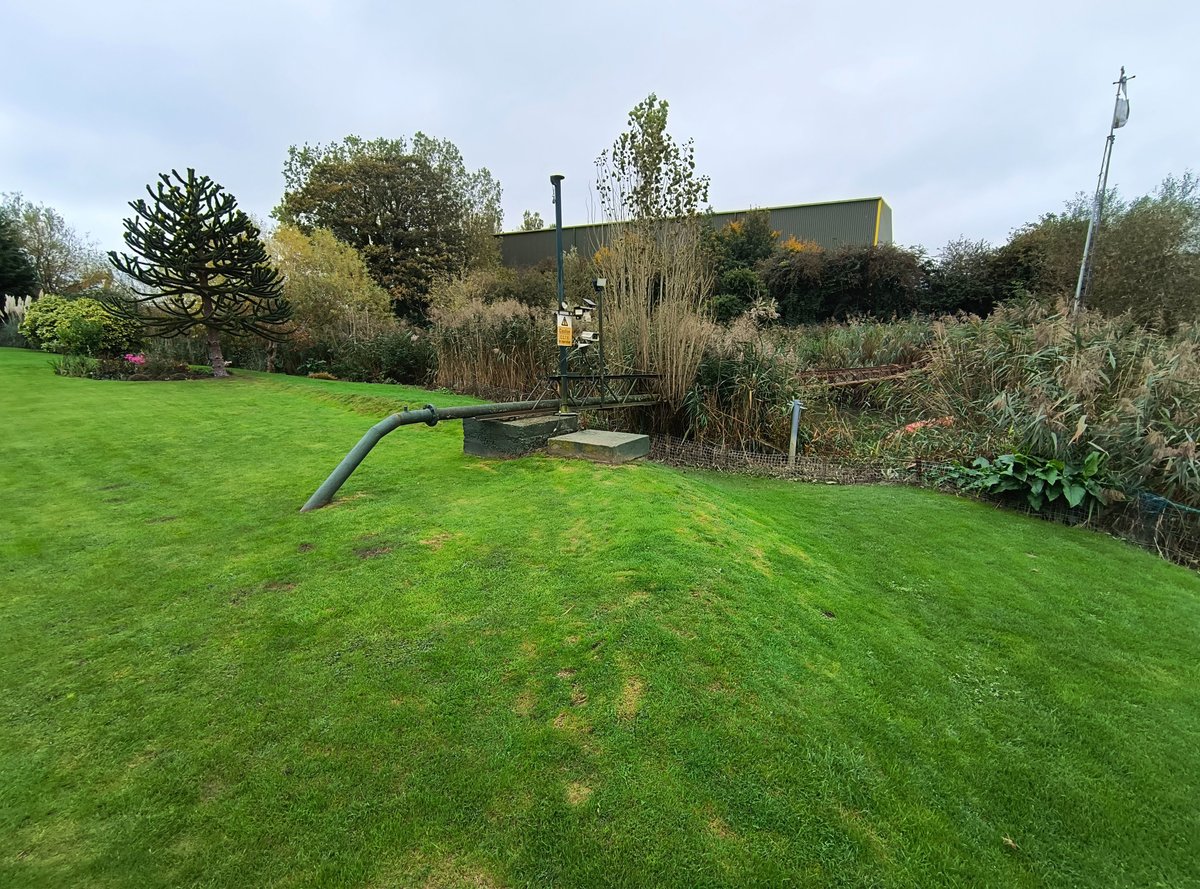
The species that need it most
Trees that thin well around here:
- Sycamore, East Kent's most-thinned tree. Grows dense fast, drops honeydew, casts heavy shade. Thin every four years and it stays a manageable garden tree.
- Lime, the town-house classic. Aphid drip and heavy summer shade both come off a thinned lime.
- Horse chestnut, leaf-miner is grim across East Kent, but healthy conker trees still respond well to a light thin every five years.
- Beech, dense and low, especially the older ones on the downland lanes. Careful thinning opens the ground layer for grass and bulbs.
- Field maple, the hedgerow escapee that grew into a garden tree. Thins well; benefits massively.
Marsh-edge wind loading
Gardens on the east side of town, down towards the Ramsgate Road, the Bay and the marshes behind the golf course, take the worst of the south-westerlies as they come off open ground. A dense sycamore or lime canopy acts like a sail; a thinned one lets the gust pass through. We think about wind loading before we spec the thin, especially on trees that have already had root damage from surrounding building work.
Crown thinning FAQs
What percentage of the canopy do you take?
Ten to fifteen percent maximum in a single visit. Anything more and the tree responds with epicormic regrowth, dense sprouts through the trunk that undo the work. Small, regular thins beat one big one every time.
When can crown thinning be done?
Most deciduous species tolerate thinning from July through winter. Cherries and plums in summer only. Oaks in the December–February window to avoid oak-decline risk. Ash almost anywhere in the growing season if dieback assessment comes first.
Will this stop the tree blocking my light?
Partly. Thinning lets dappled light through, but if you need real light gain you probably want crown reduction or crown raising instead. We'll tell you which after seeing the photos.
How much does thinning cost?
£250 to £800 depending on tree size, access and disposal. Standard suburban sycamore is typically £350–£500. Big mature lime overhanging a listed roof with a rig-down job is nearer £800.
Send a photo. We'll send a quote.
Photos of the tree, the surrounding buildings and your postcode. Same-day price, next available date.