Hedge Species Guide: photos, habits & how each one likes to be trimmed
Not sure what's growing in your front garden? Here are the nine species we cut week in, week out across Sandwich, Deal and East Kent, with real photos, honest growth rates and the timing that actually works for each.
Hedge species matter more than people think. Cut a privet in May and it shrugs it off. Cut a yew into bare brown wood and it sulks for years. Trim a laurel with the wrong blade and every leaf looks shredded for a month. This guide exists so you can work out what you've got, when it wants cutting and what it'll look like when it's happy.
Jump to any species:
- Privet, fast, forgiving, the classic English hedge
- Box (Buxus), small-leaf, formal, loves precision
- Yew, slow, shapeable, built to last centuries
- Beech, coppery winter leaves, one cut a year
- Hornbeam, beech's tougher cousin for clay soils
- Cherry laurel, glossy, fast, big leaves
- Photinia 'Red Robin', that famous red flush
- Holly, prickly, dense, gloriously tough
- Leylandii & conifers, fastest but least forgiving
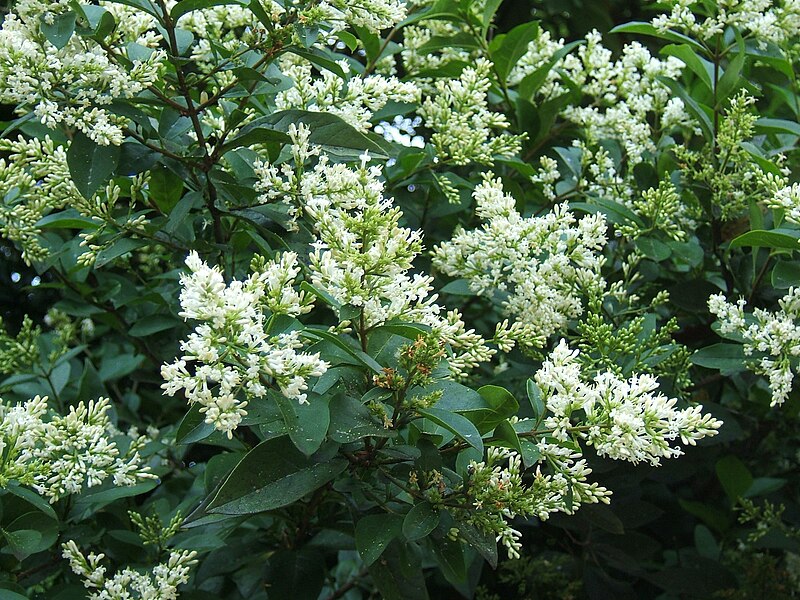
Privet, the classic English hedge
If your hedge is semi-evergreen, has small oval leaves about the size of a thumbnail, and puts on a new flush of pale green growth every spring, you've almost certainly got privet. It's the most common garden hedge in Kent by a country mile, and there's a reason, it's fast, cheap, cope with most soils, and forgives almost any mistake you make cutting it.
- Growth rate: 30–60 cm a year, so it needs regular attention
- Trim timing: light cut in June, proper cut in late August or September
- Tool of choice: petrol or battery hedge trimmer, it handles a blade happily
- Watch for: privet thrips in very hot summers (silvery, speckled leaves)
- Hard cut? Yes. Privet will regenerate from bare wood if you need to take it right back
Golden privet (the yellow-variegated form, Ligustrum ovalifolium 'Aureum') behaves identically but reverts to plain green if shaded, keep the top open.
Box, the architect's hedge
Tiny, glossy, dark green leaves the size of a fingernail. Dense, slow-growing, evergreen, and utterly unmistakable once you've seen it. Box is the hedge for parterres, low borders under a metre, topiary balls and cottage garden edging. It wants precision cutting with shears or a well-sharpened trimmer, jagged blades make it look chewed.
- Growth rate: 10–15 cm a year, slow and deliberate
- Trim timing: traditionally Derby Day (early June), again in late August if formal
- Tool of choice: sharp shears for small hedges, sharpest trimmer for longer runs
- Watch for: box blight (bronzed patches, dieback) and box tree caterpillar (skeletonised leaves, webbing)
- Hard cut? Cautiously, box regenerates but very slowly. Don't bare-wood it
Box blight has changed the game. If yours is declining, we can help assess whether it's worth saving or whether a blight-resistant alternative like Ilex crenata (Japanese holly, which mimics box) would be kinder in the long run.
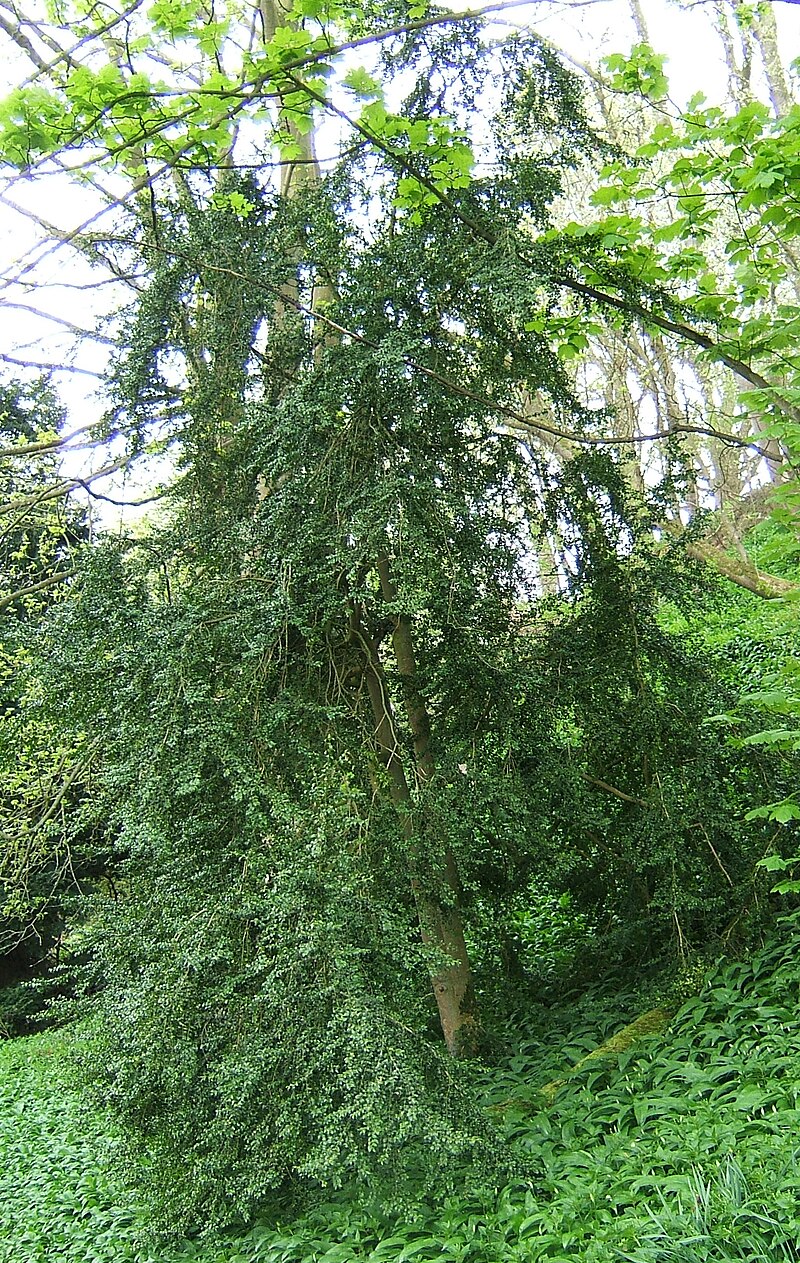
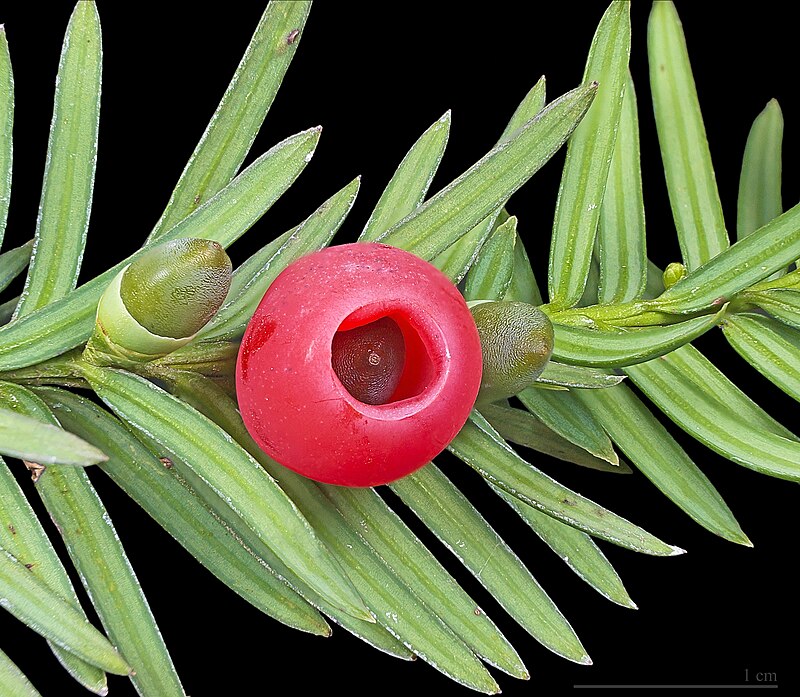
Yew, the best hedge ever planted
Dark green, almost blackish-green needles arranged flatly on either side of the shoot. Dense, slow and extraordinary, a yew hedge planted today will still be standing when your great-grandchildren retire. It's the only conifer that will regenerate reliably from bare wood, which is why formal English gardens have relied on it for five hundred years.
- Growth rate: 15–30 cm a year, slower than people expect, worth the wait
- Trim timing: one proper cut in August or early September is plenty
- Tool of choice: sharp trimmer, string line for the top
- Watch for: all parts toxic to livestock and dogs, keep clippings well away from fields
- Hard cut? Absolutely. Yew is the species that lets you reset a 3 m monster back to 1 m and still come back
If you're planting new and can wait three or four years for it to thicken up, yew is almost always the right answer. Loves chalky East Kent soils.
Beech, the one that keeps its leaves all winter
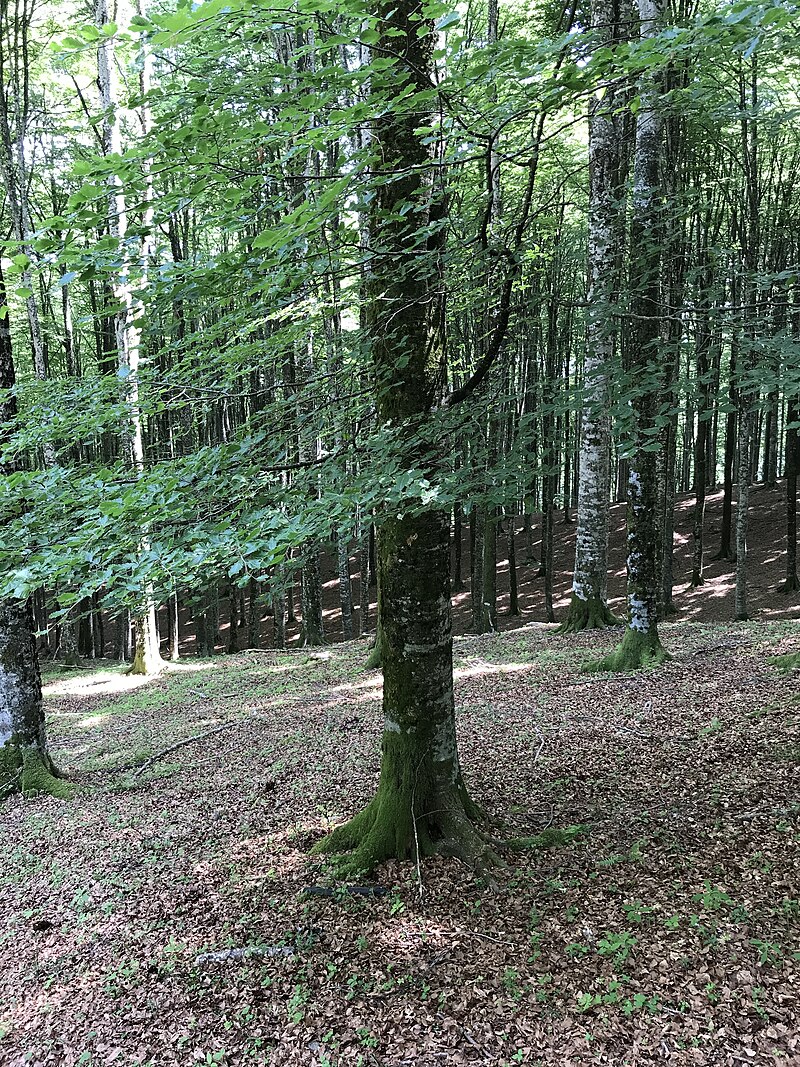
Oval, wavy-edged leaves with a slight silvery fringe when young, turning a rich copper-bronze in autumn. Here's the trick that sells beech: trimmed hedges hold those bronze leaves right through winter, falling only when the new growth pushes them off in April. It's a magical look on a crisp January morning in East Kent.
- Growth rate: 30 cm a year once established, faster in years 2–4
- Trim timing: one cut in late July or August, earlier and you'll lose the winter leaves
- Tool of choice: sharp trimmer; beech resents ragged cuts on thick stems
- Watch for: drought stress in very sandy soils, mulch well
- Hard cut? Yes, it renovates well, but go in March before bud-break, not mid-summer
Beech is fussier about soil than people realise. It hates waterlogged ground, if your garden is heavy clay that sits wet in winter, go with hornbeam instead.
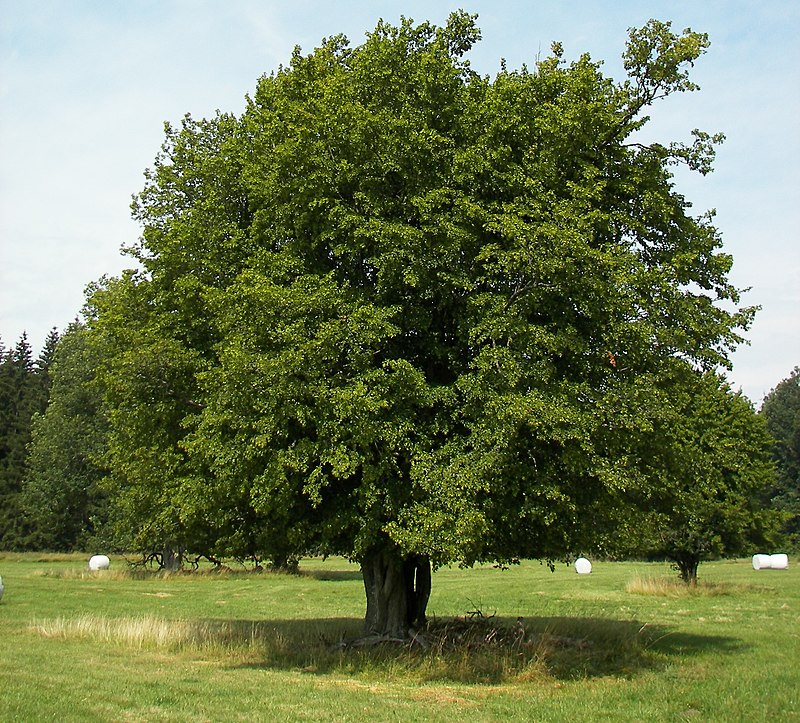
Hornbeam, beech's tougher cousin
Looks nearly identical to beech at first glance, and behaves the same way with winter leaves, but the leaves are more deeply veined, with a sharper, double-toothed edge, and the bark is a fluted grey rather than smooth. The crucial difference: hornbeam doesn't mind clay, cold winds or damp feet. If beech is the Kentish downs species, hornbeam is the Kentish Weald species.
- Growth rate: 30 cm a year, similar to beech
- Trim timing: one cut in late July or August for the winter-leaf look
- Tool of choice: sharp trimmer; its stems go wiry fast
- Watch for: nothing much, it's one of the most trouble-free hedges going
- Hard cut? Yes, responds well to renovation in late winter
A mixed beech-and-hornbeam hedge is a classic Kent garden choice, nearly indistinguishable in summer, subtly different in winter, tolerates almost any soil between them.
Cherry laurel, big, glossy, fast
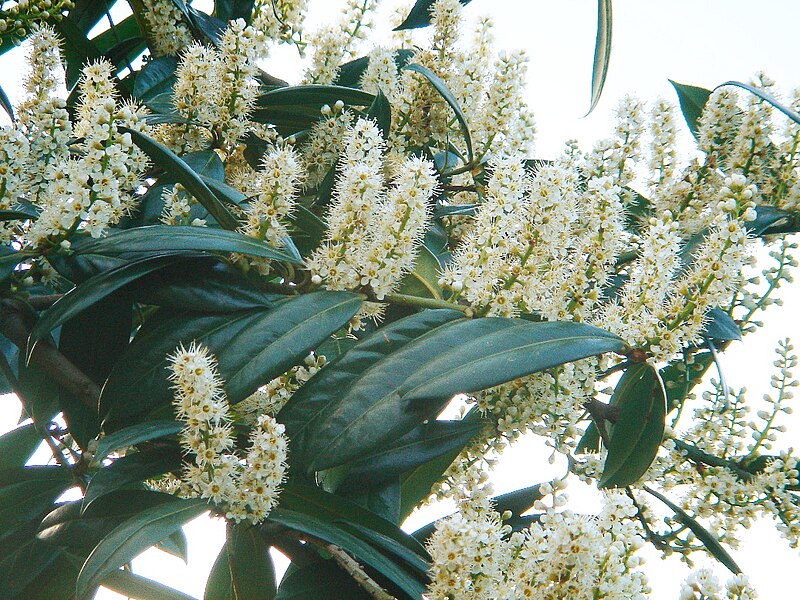
Big, leathery, waxy leaves, longer than your hand, shiny as if polished, on a fast evergreen shrub that'll put on 60 cm a year if it's happy. Produces upright spikes of white flowers in April. The most common suburban screening hedge in the UK, and one of the ones we get asked about most often by people wishing theirs was a bit tidier.
- Growth rate: 40–60 cm a year, keep on top of it or it takes over
- Trim timing: May, and again in late August if it's a formal face
- Tool of choice: secateurs if you can bear the time (whole leaves, no shredding), trimmer if you can't, cuts on the big leaves brown within 24 hours
- Watch for: shothole fungus, brown spots with holes in the middle
- Hard cut? Yes, excellent recovery from brutal cuts, even into old wood
Portuguese laurel (Prunus lusitanica) is the smaller-leaved, more refined cousin, red leaf stalks, darker foliage, better behaved. If we're starting a hedge from scratch it's what we'd pick over cherry laurel eight times out of ten.
Photinia, that famous red flush
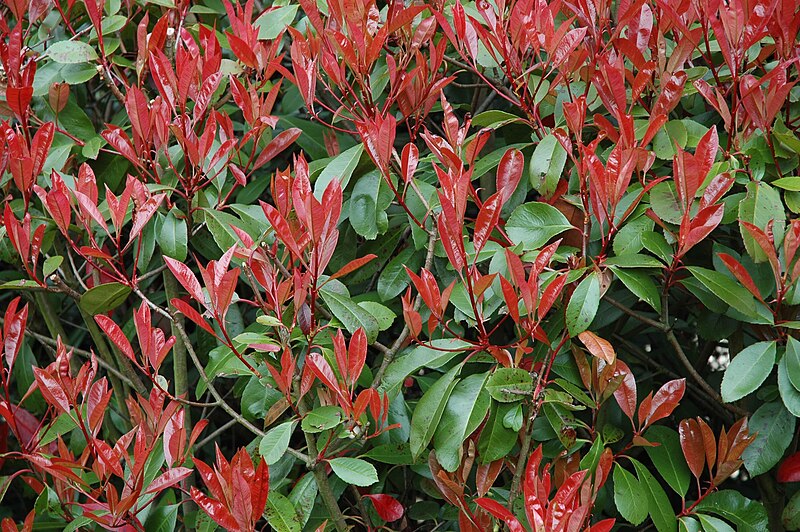
You'll know it by the colour. The new leaves come through a brilliant, startling scarlet for three or four weeks before fading to glossy dark green. Three flushes a year if you're feeding and trimming it properly, which means a well-kept Red Robin is practically always showing some red. That colour is the whole point, let it get shaggy and you lose it.
- Growth rate: 30 cm a year
- Trim timing: after each flush fades to green, usually May, July and September
- Tool of choice: sharp trimmer is fine; the leaves are smaller than laurel so don't brown as badly
- Watch for: photinia leaf spot (black spots, yellow leaves dropping), avoid overhead watering
- Hard cut? Yes, it responds well and the following flush is often the most dramatic
Plant it where you'll see it from a kitchen window. You'll spend the rest of your life admiring those spring flushes.
Holly, gorgeous, spiteful, built like a tank
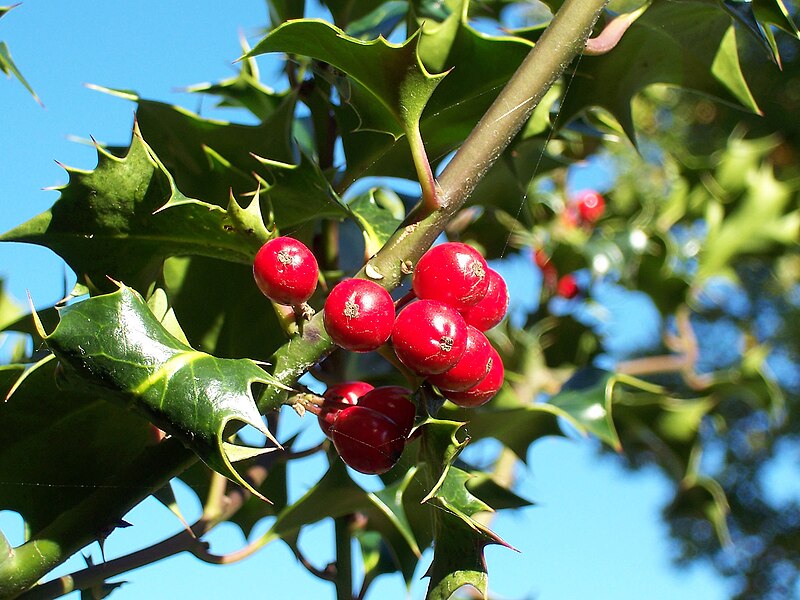
Glossy, wavy-edged, brutally spiky evergreen leaves that older plants often lose the spikes on higher up (plants don't waste energy defending what deer can't reach). Female plants carry red berries through winter if there's a male nearby. Dense, shade-tolerant, salt-tolerant, pollution-tolerant, if you can convince it to grow, it'll outlive you.
- Growth rate: 10–20 cm a year, slow, which is why it's underused
- Trim timing: one cut in late summer (August) is plenty
- Tool of choice: trimmer works, but wear thick leather gauntlets and long sleeves or you will bleed
- Watch for: holly leaf miner (pale trails on the leaves), cosmetic rather than serious
- Hard cut? Yes, renovates well, but in March before growth starts
A mature holly hedge is one of the best security hedges on earth. Nothing goes through it voluntarily. Variegated forms ('Golden King', 'Silver Queen') soften the look if pure dark green feels heavy.
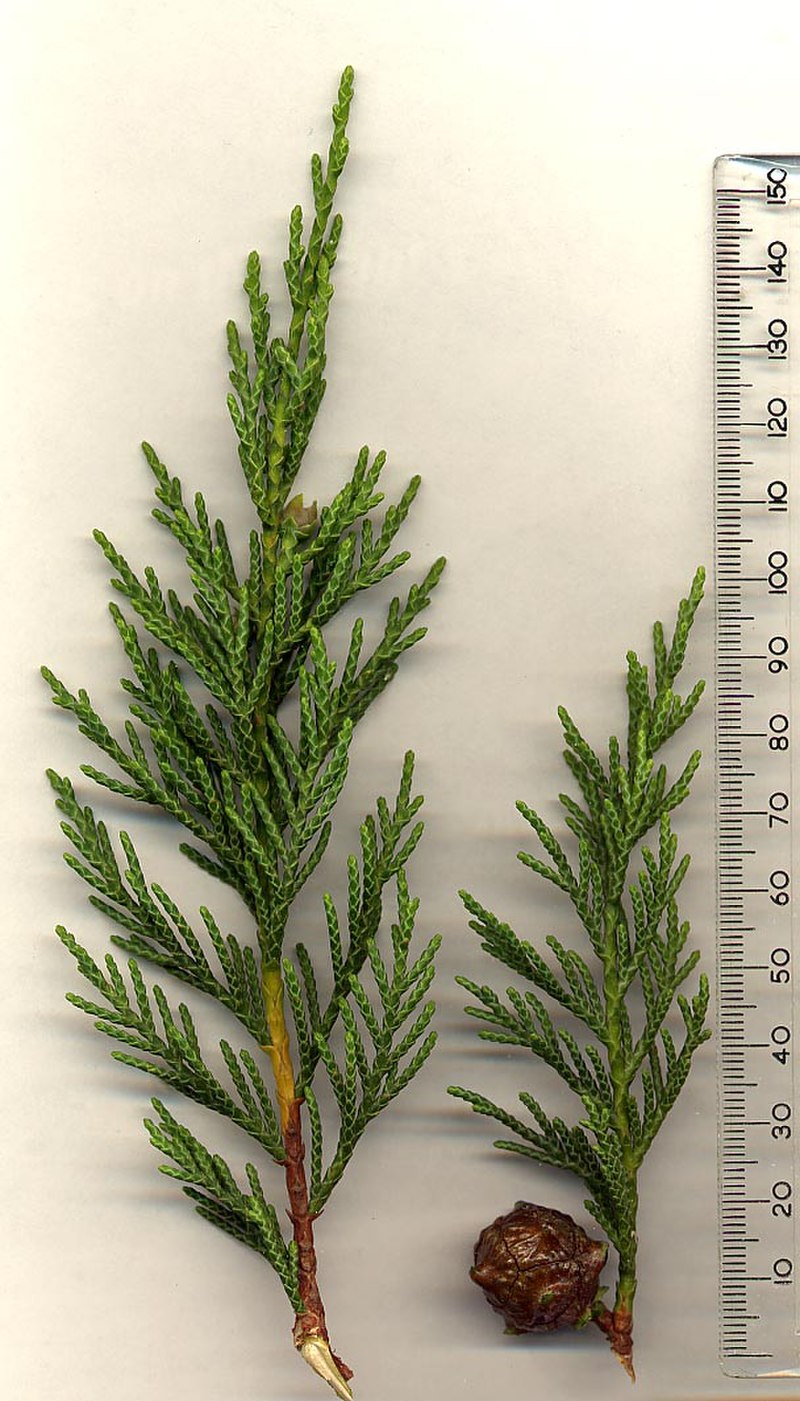
Leylandii & conifers, fast, forgiving only if you're careful
Flat sprays of tiny, scale-like green foliage, no obvious individual leaves, just feathery fronds. Leylandii is Britain's most infamous hedge: genuinely fast (up to 90 cm a year), properly evergreen, and utterly unforgiving if you let it get away from you and then try to cut it back hard. There's one rule that matters more than any other, don't cut into bare brown wood. It will not regrow.
- Growth rate: 60–90 cm a year, the fastest of any hedge
- Trim timing: May and August, before it gets leggy
- Tool of choice: long-reach hedgecutter, sheets down for the mess
- Watch for: aphids (sticky green residue on windows), and browning patches from dry weather
- Hard cut? No. Stay within the green. Once it's past 3 m, reduction is a one-way conversation
Western red cedar (Thuja plicata) looks nearly identical but smells of pineapple when you crush the foliage and is marginally more forgiving if you do need to reduce. If you're planting new and want fast screening, Thuja is the smarter choice. Read our full leylandii guide for the legal height rules and renovation options.
Species ID FAQs
How do I tell beech from hornbeam?
Both hold coppery leaves through winter, which is how they get confused. The tell: beech leaves are smooth-edged with a wavy outline and a silvery fringe of hairs when young; hornbeam leaves are deeply veined with a double-toothed, slightly serrated edge. Beech bark is smooth grey, hornbeam bark is fluted and ribbed like a muscled arm.
How do I tell cherry laurel from bay?
Crush a leaf. Bay (Laurus nobilis) smells unmistakably of the spice jar, that classic culinary aroma. Cherry laurel smells bitter, almost of marzipan or almonds (that's cyanide compounds, so don't make a habit of it). Cherry laurel leaves are also noticeably bigger and glossier.
Is my hedge leylandii or thuja?
Crush the foliage. Leylandii is nearly odourless or slightly resinous. Thuja (western red cedar) is strongly fruity, people describe it as pineapple or apple. Thuja's sprays are also flatter and slightly coarser.
Can you identify my hedge from a photo?
Yes, send a close-up of one cluster of leaves and a wider shot of the whole hedge to Richard on 07449 303889. We'll come back with the species and what it wants doing. No charge for that.
What if my hedge is a mix of species?
Common in older gardens, privet with a laurel that crept in, or a beech hedge with self-seeded elder. We'll trim the whole thing as one if that's the look you want, or work species-by-species if you'd rather keep them distinct. Tell us on the quote.
Send a photo. We'll tell you what it is and quote the job.
Identification is free. We quote by the length, height, species and access, not by the hour, so you know the number up front.
More hedge guides
Choosing a hedge species for Kent gardens
Coastal, clay, chalk or shade, what to plant where.
Read the guide TimingWhen to trim hedges
Month-by-month calendar for the UK, with species notes.
Read the guide SpeciesLooking after a privet hedge
Feeding, timing, renovation, everything privet needs.
Read the guide RulesLeylandii: the rules, the law, the limits
Heights, neighbours, and how to keep one under control.
Read the guideSpecies photos sourced from Wikimedia Commons under their respective licences, click through to each species link for attribution details.